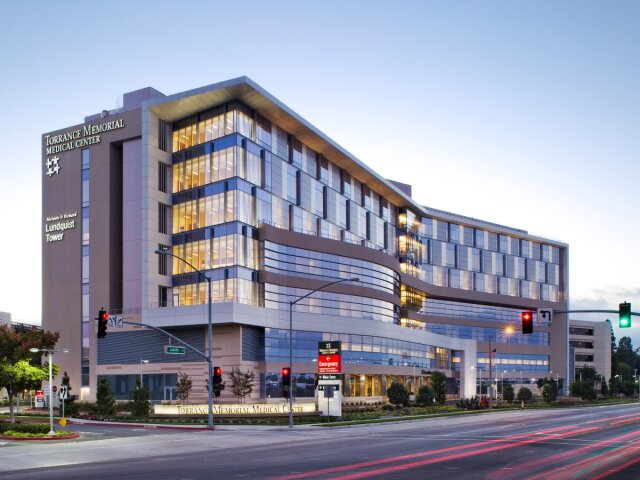
Torrance, CA
Torrance Memorial Medical Center
A South Bay hospital chose RONIN for its emergency department and a clear path to AB 2975 compliance well ahead of the March 2027 deadline.
AB 2975Emergency Department
Read the case study California hospitals are preparing for new weapons detection requirements as a part of AB 2975. RONIN combines advanced weapons detection technology with the training, implementation support and ongoing expertise hospitals need to check every AB 2975 box.
RONIN combines advanced weapons detection technology with the training, implementation support and ongoing expertise hospitals need to build an effective security program that checks every AB 2975 box.
Portable weapons detection that sets up in three minutes and is safe for people with pacemakers.
Behavioral training built by law enforcement, so hospital security teams can deploy the system effectively.
Implementation expertise and ongoing support from real people.
Under AB 2975, covered hospitals will be required to implement weapons detection screening at designated entrances, along with screening policies, trained personnel and protocols for responding when weapons are detected.
Advanced, portable weapons detection that sets up in three minutes at any designated entrance.
Implementation expertise to help build an effective security program.
Behavioral training built by law enforcement.
Training and ongoing support from real people.
The compliance window begins soon. Now is the time to evaluate your options.
The MIS Operational Integration Framework is a six-phase implementation methodology. It turns AB 2975’s requirements into a screening operation your team can run every day.
Evaluate entrances, traffic patterns, staffing, peak periods and secondary screening requirements, so the technology supports the operating requirement.
Define screening locations, personnel positioning, secondary screening, prohibited item procedures and escalation.
Put the technology and operating process into your actual environment, where small adjustments make a significant difference.
Alert interpretation, secondary screening, patient and visitor interaction and escalation, with MIS working alongside your team.
Track throughput, alert rates, secondary screening, resolution time and queue development once screening begins.
Adjust configuration, placement, staffing, procedures and training based on what is actually happening at your entrances.
RONIN’s portable weapons detection system gives hospitals the flexibility to deploy screening where it’s needed, whether that’s a main entrance, emergency department, labor and delivery entrance or another area of concern.
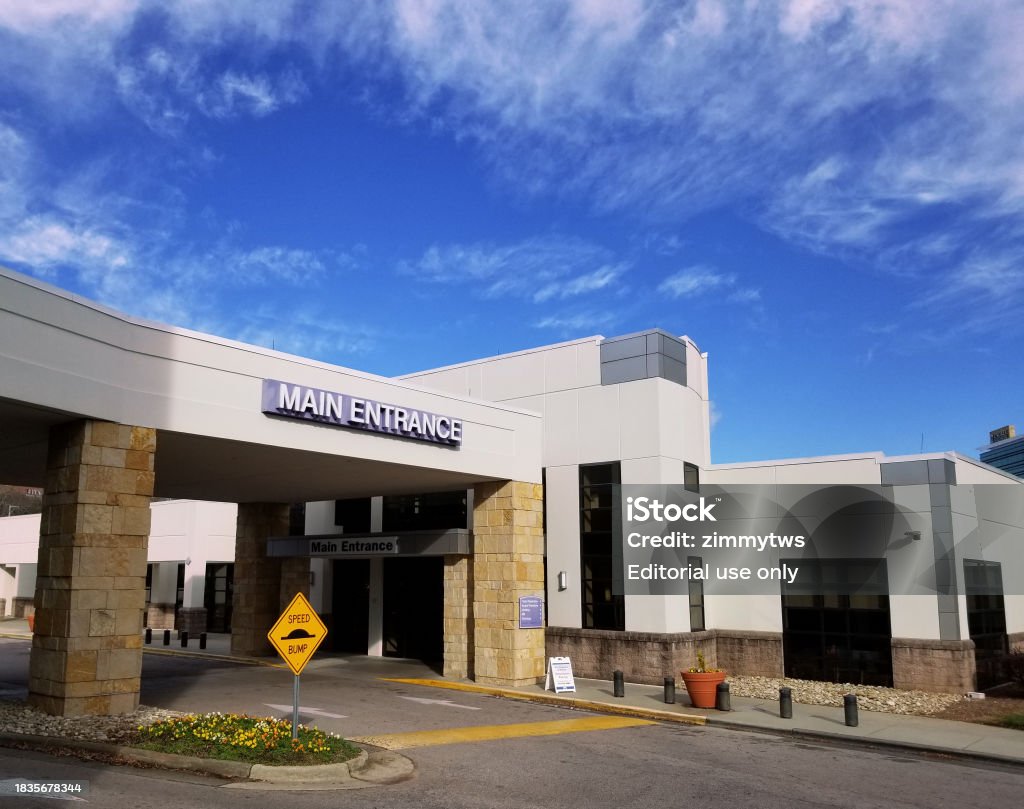
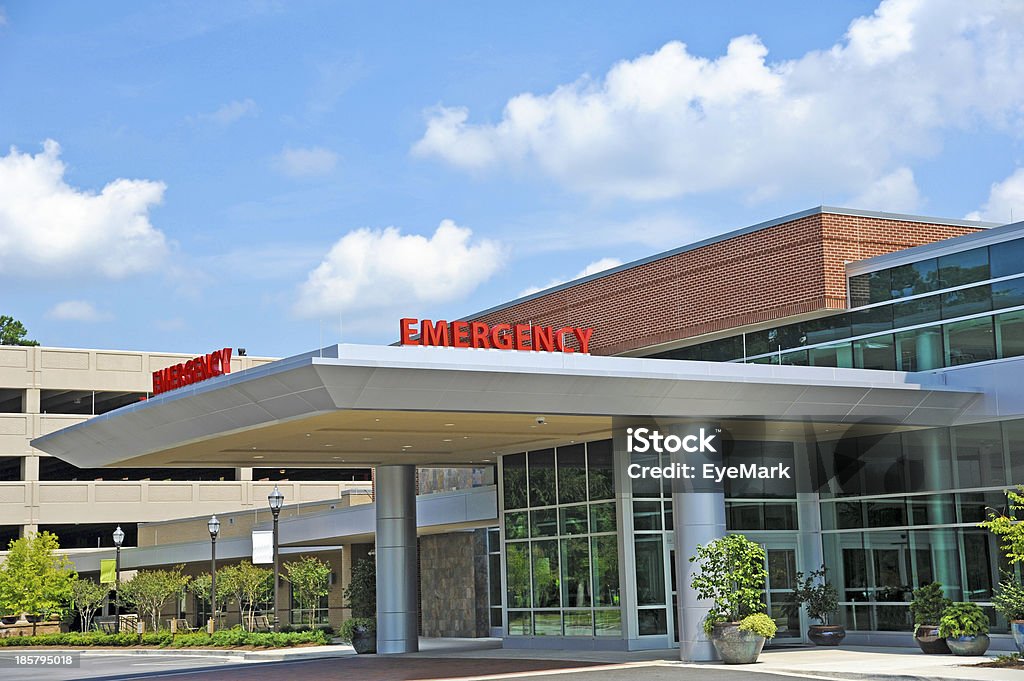


And because RONIN is portable and safe for people with pacemakers, it is designed with real hospital environments in mind.
Two examples of the hospitals RONIN helps secure, from a California emergency department preparing for AB 2975 to a six-location rollout completed in five days.
A South Bay hospital chose RONIN for its emergency department and a clear path to AB 2975 compliance well ahead of the March 2027 deadline.
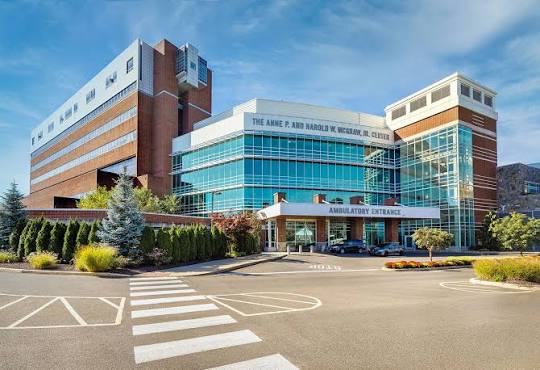
RONIN installed across six hospital locations in a five-day implementation, with eight hours of behavioral awareness training for all security personnel.
How to plan, train, measure and adjust a hospital screening program, from RONIN’s CEO.
As California hospitals evaluate weapons detection systems ahead of new AB 2975 state requirements, see how RONIN can work in your environment.
Prepare for and prevent threats with RONIN.
A member of the RONIN team will contact you to schedule your demo.